How to Safely Ship a Trading Card in a Plain White Envelope
May 17, 2026
Last updated July 12, 2026
This post contains affiliate links. As an Amazon Associate, I earn from qualifying purchases at no extra cost to you. I only recommend products I personally use.
Shipping a single card doesn't have to mean paying for a bubble mailer and tracked shipping. A plain white envelope (PWE) is a perfectly safe option for cards under $20, and keeps costs down for both parties. Here's exactly how to do it.
What You'll Need
Default prices reflect what I typically pay — adjust as needed.
| Material | Cost |
|---|---|
| Penny sleeve | $ |
| Toploader | $ |
| Painter's tape (per use) | $ |
| Number 6 envelope | $ |
| Stamp | $ |
| Team bag (highly recommended) | $ |
| Total per shipment | $0.971 |
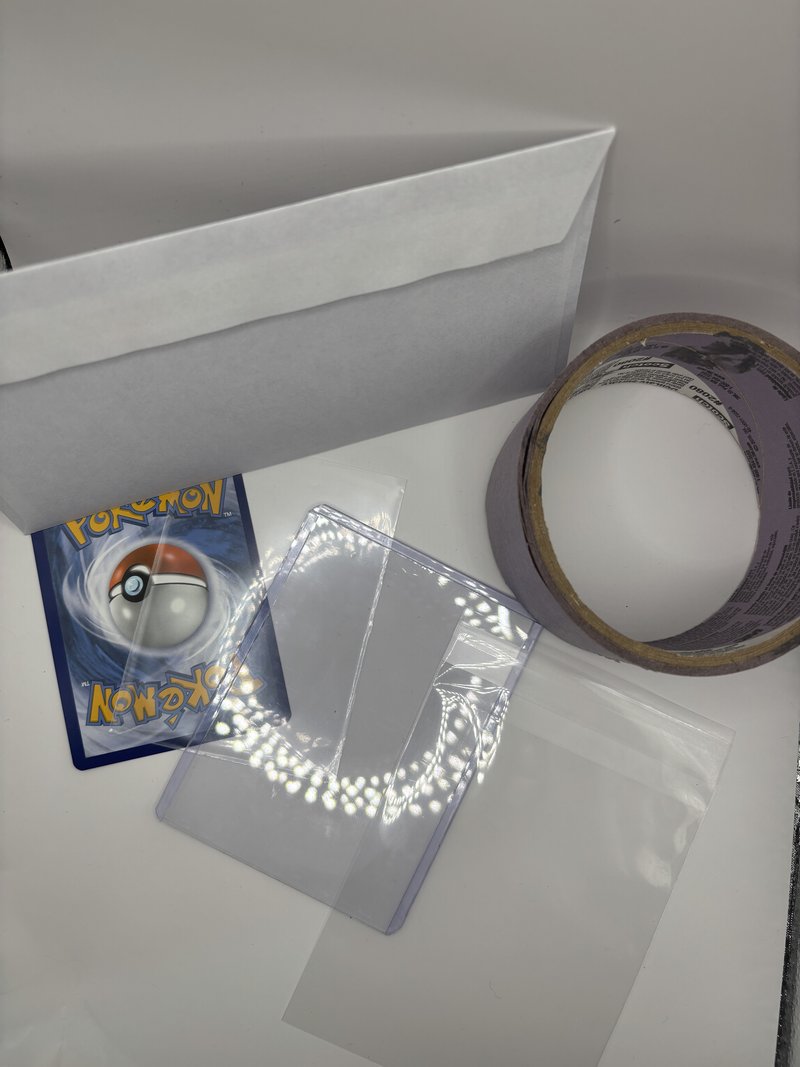
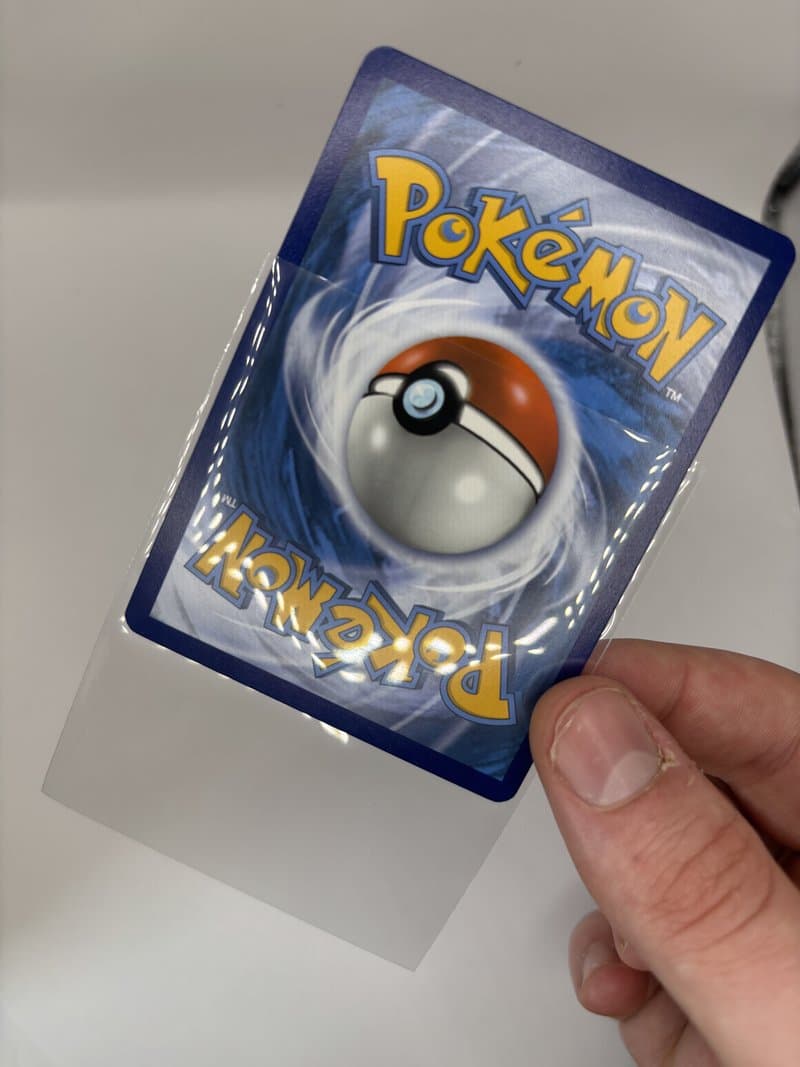
Card being placed into a penny sleeve
Step 1: Sleeve the Card
Before anything touches your card, slide it into a penny sleeve. This is the card's first line of defense against moisture and friction. Make sure there is no dirt or debris that slips in with the card.
Cost: ~$0.01 per sleeve
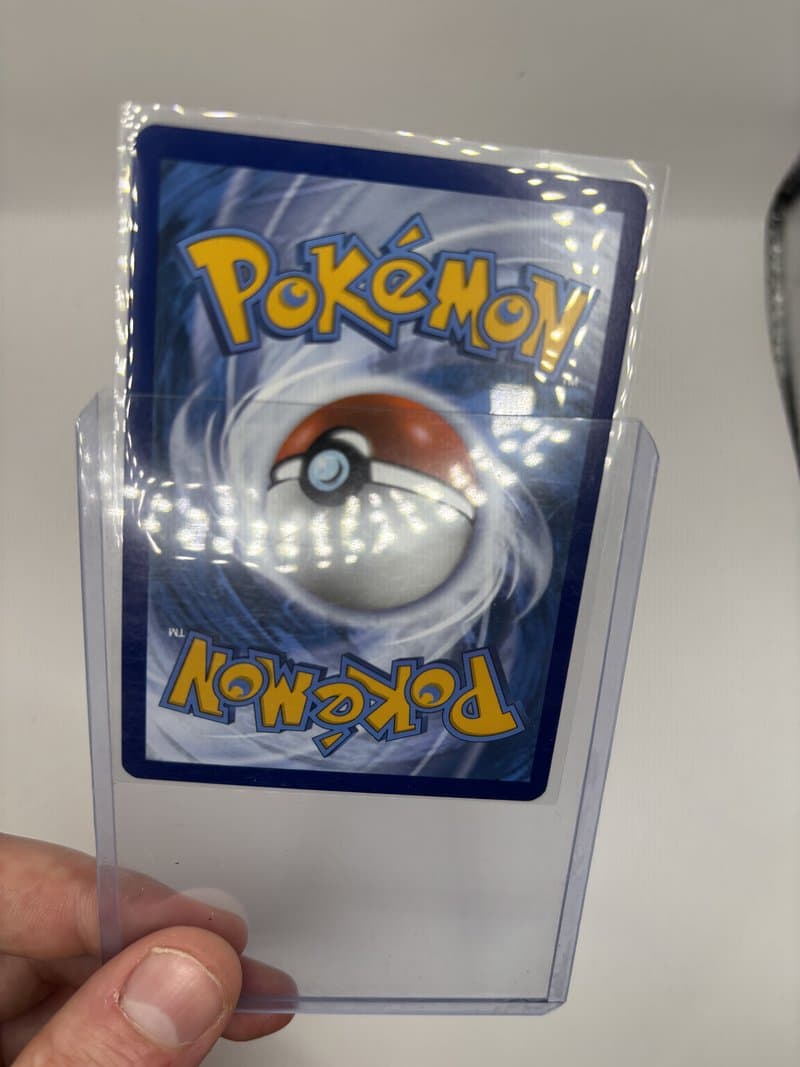
Sleeved card inside a toploader
Step 2: Add Rigid Support
Slide the sleeved card into a toploader. This step is what stops the card from bending in transit, and is the most important step for protecting the card's corners and edges.
Cost: ~$0.06 per toploader
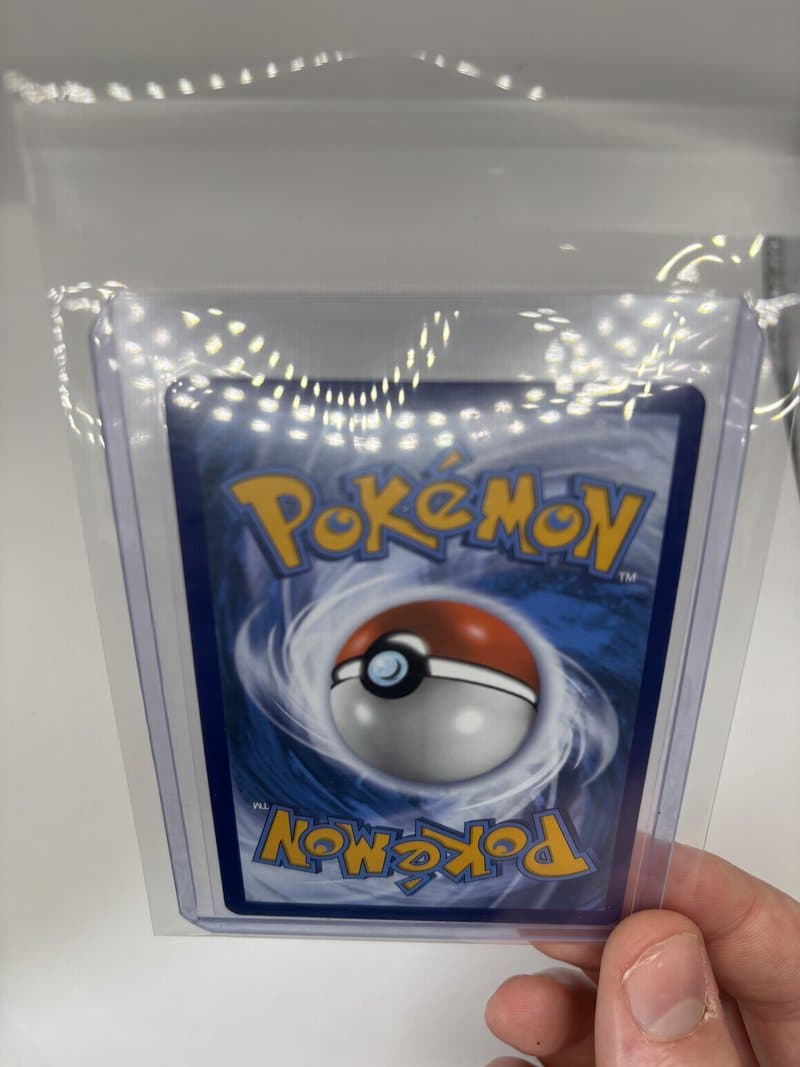
Toploader slipped inside a team bag
Step 3: Slip Into a Team Bag
Slide the toploader into a team bag and seal it. Team bags are resealable plastic sleeves that create a watertight barrier around the toploader, keeping the card dry even if the envelope gets caught in rain or wet conditions during transit. This step is highly recommended — it protects the toploader opening and guards against moisture. If you use a team bag, you can skip the tape step below.
Cost: ~$0.07 per team bag
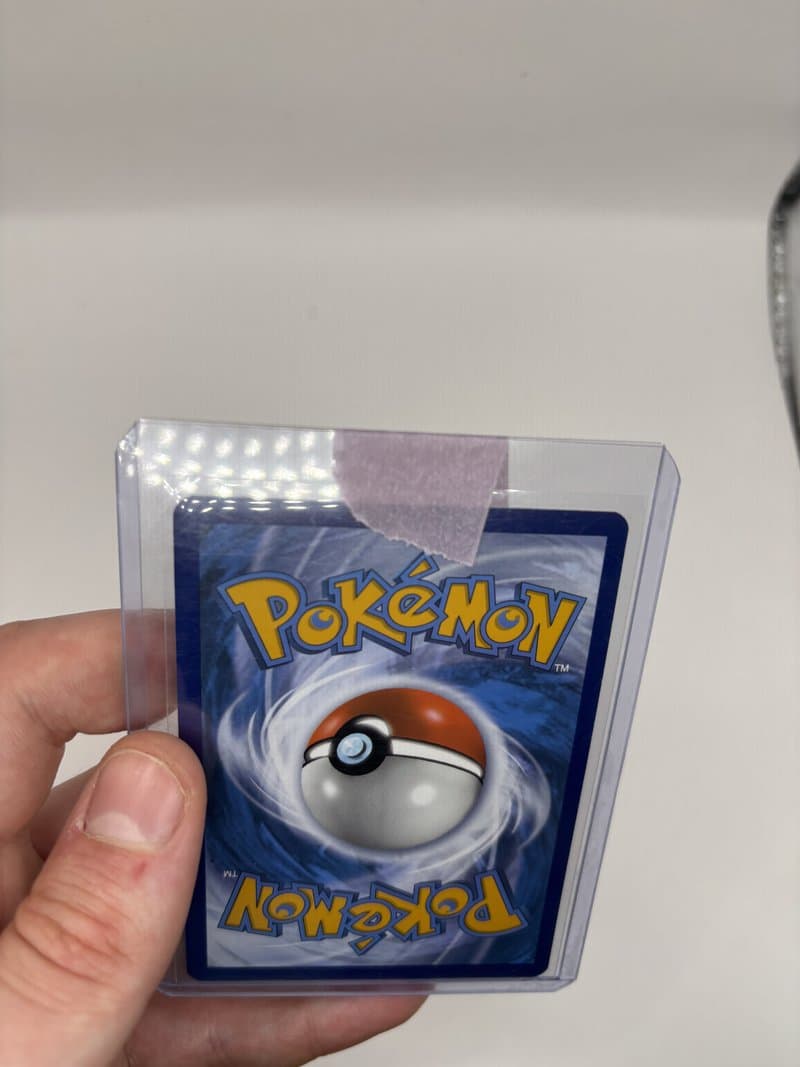
Tape applied over the toploader opening
Optional Step: Tape It Shut
If you skipped the team bag, place a small piece of painter's tape over the opening of the toploader. Make sure you use painter's tape specifically — scotch tape and packing tape can damage the card or toploader when removed. A small strip to seal the opening is all you need. This is perfect for super low-value cards and bulk, but a team bag is the better option for anything worth protecting.
Cost: ~$0.001 per use
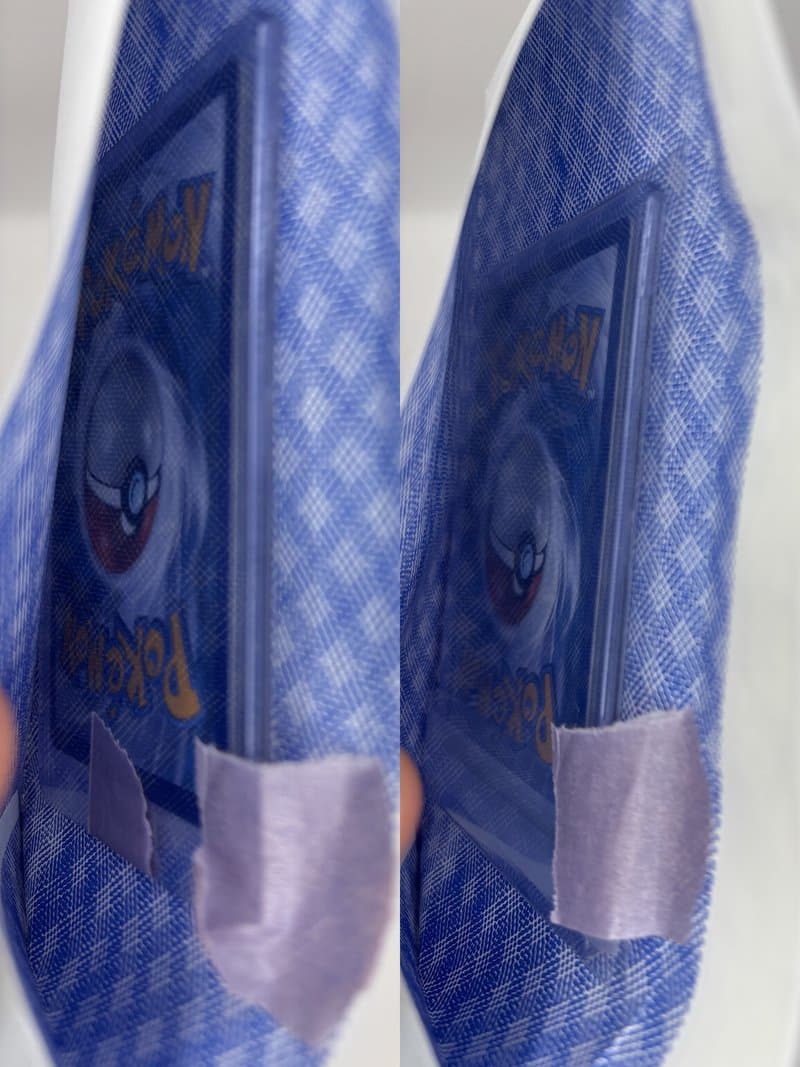
Secured card placed inside the envelope
Step 4: Slide Into the Envelope
Place the secured card into a Number 6 envelope — it's the best fit and value for a single card. It should fit snugly without forcing it. At this point you can also include an invoice if you would like, but this is not required.
Cost: ~$0.05 per envelope
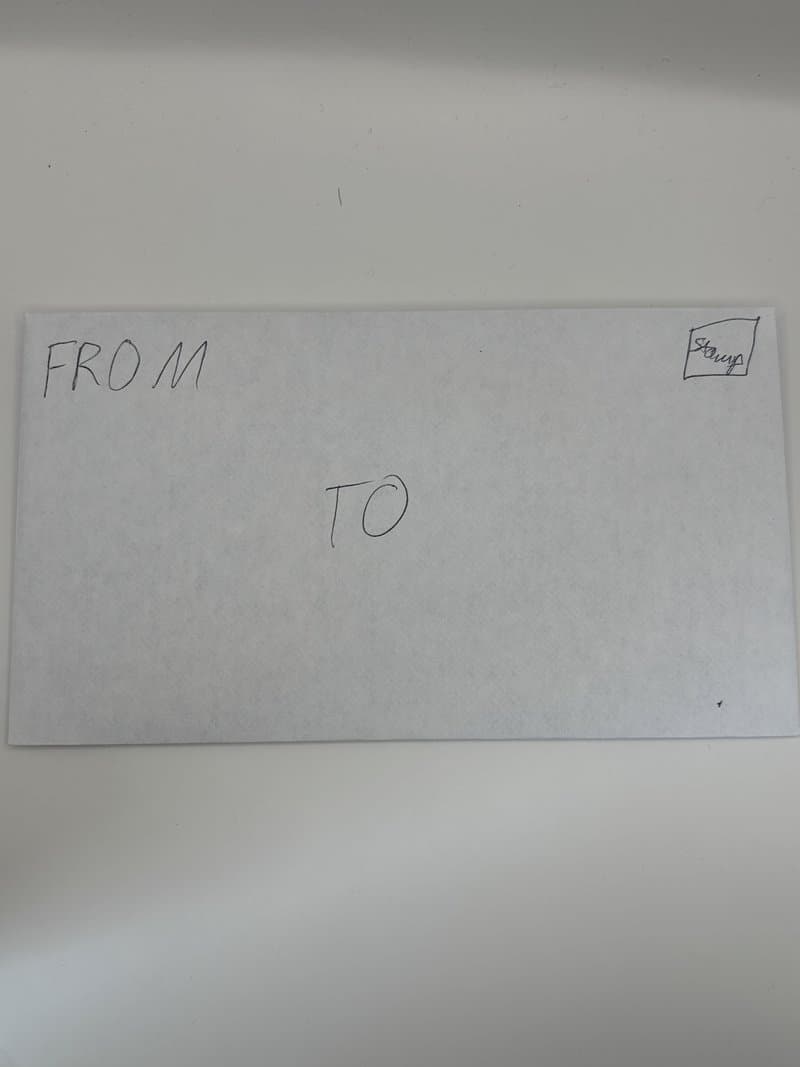
Sealed and addressed envelope ready to send
Step 5: Seal and Address
Seal the envelope and write the addresses clearly. Put your return address in the top-left corner. A single forever stamp covers a PWE as long as it's not too thick — if the toploader makes it too rigid to pass through sorting machines, the post office may flag it.
Cost: ~$0.78 per stamp
A PWE is one of the cheapest ways to ship a card, but cheap doesn't mean free. Before you agree on shipping, make sure you've accounted for your actual base cost to ship including any materials. That number is your floor, and anything below it means you're absorbing the difference out of your sale price.
Also don't forget about transaction fees when you're thinking about shipping costs. Whether you're selling on eBay, TCGPlayer, Whatnot, or anywhere else, the platform takes a cut of the total transaction. In many cases that cut applies to the shipping amount you collect, not just the item price. Run the full numbers before you list, getting the shipping right is just as important as getting the price right.